 The Amber Archive
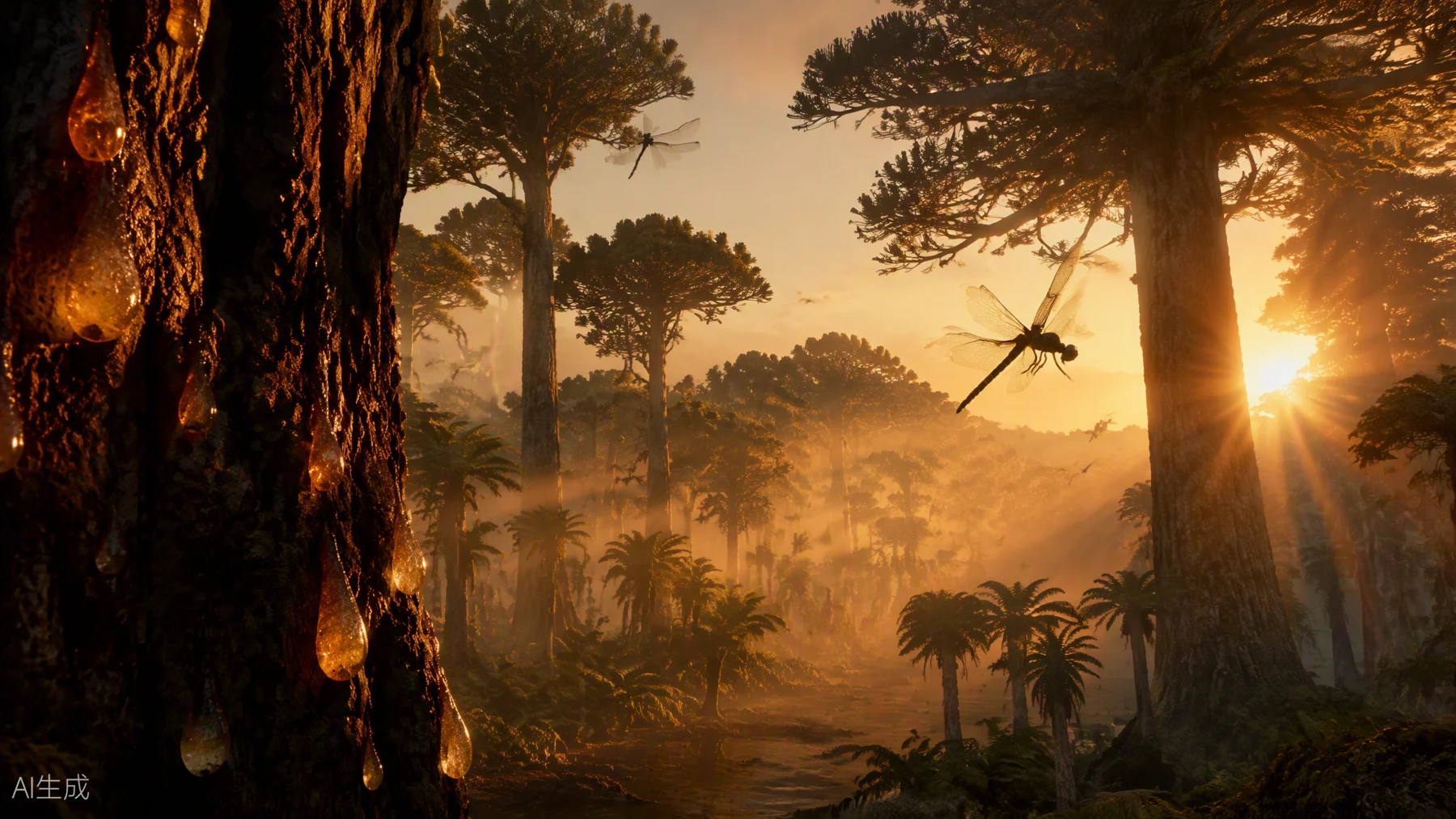
BURMITE · HUKAWNG VALLEY · 99 MILLION YEARS OLD
Trapped in time.
Yours to keep.
Genuine Myanmar amber with real creatures sealed inside since the age of dinosaurs. Every piece tells a story worth looking closer at.
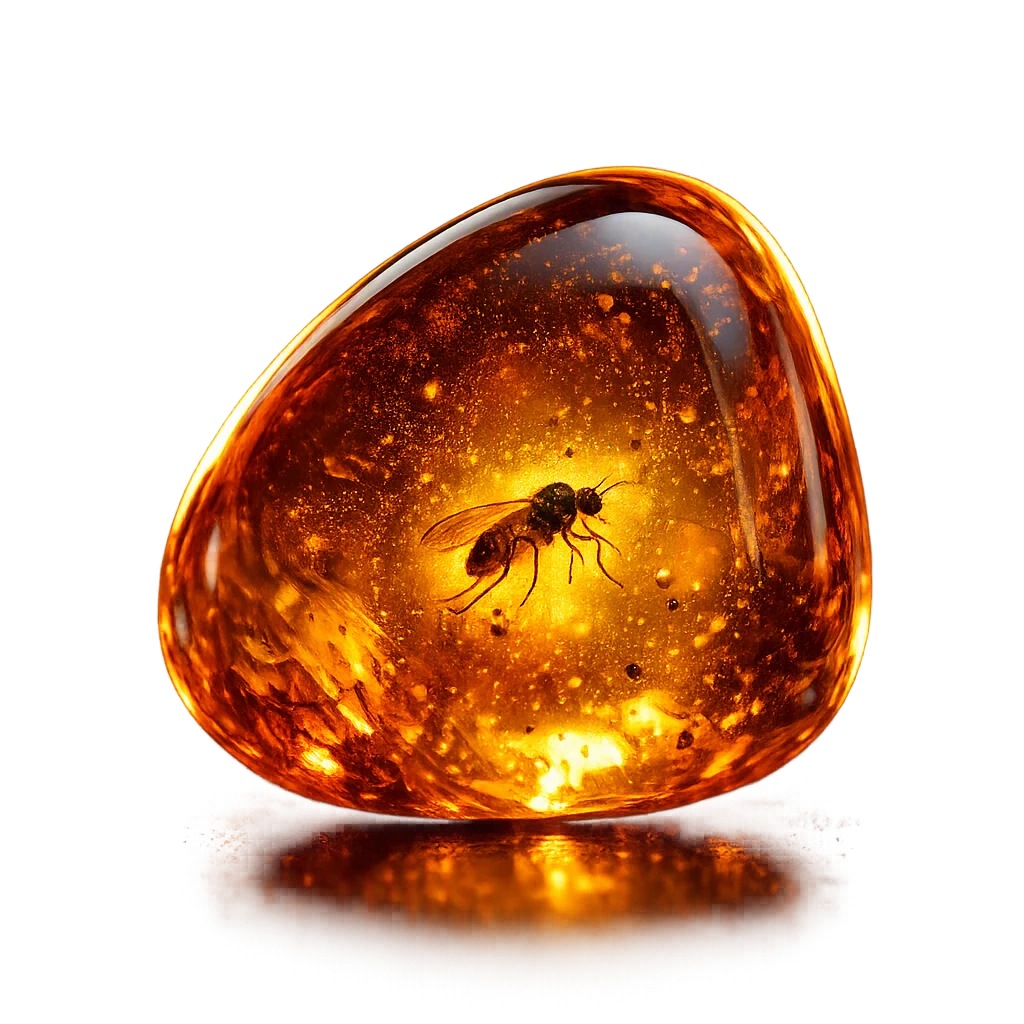
THE COLLECTION
Fresh from the archive.
One-of-a-kind pieces. Tiny details. An entire ancient world waiting to be discovered.
HOW IT ALL BEGAN
Bought from a person.
Backed by curiosity.
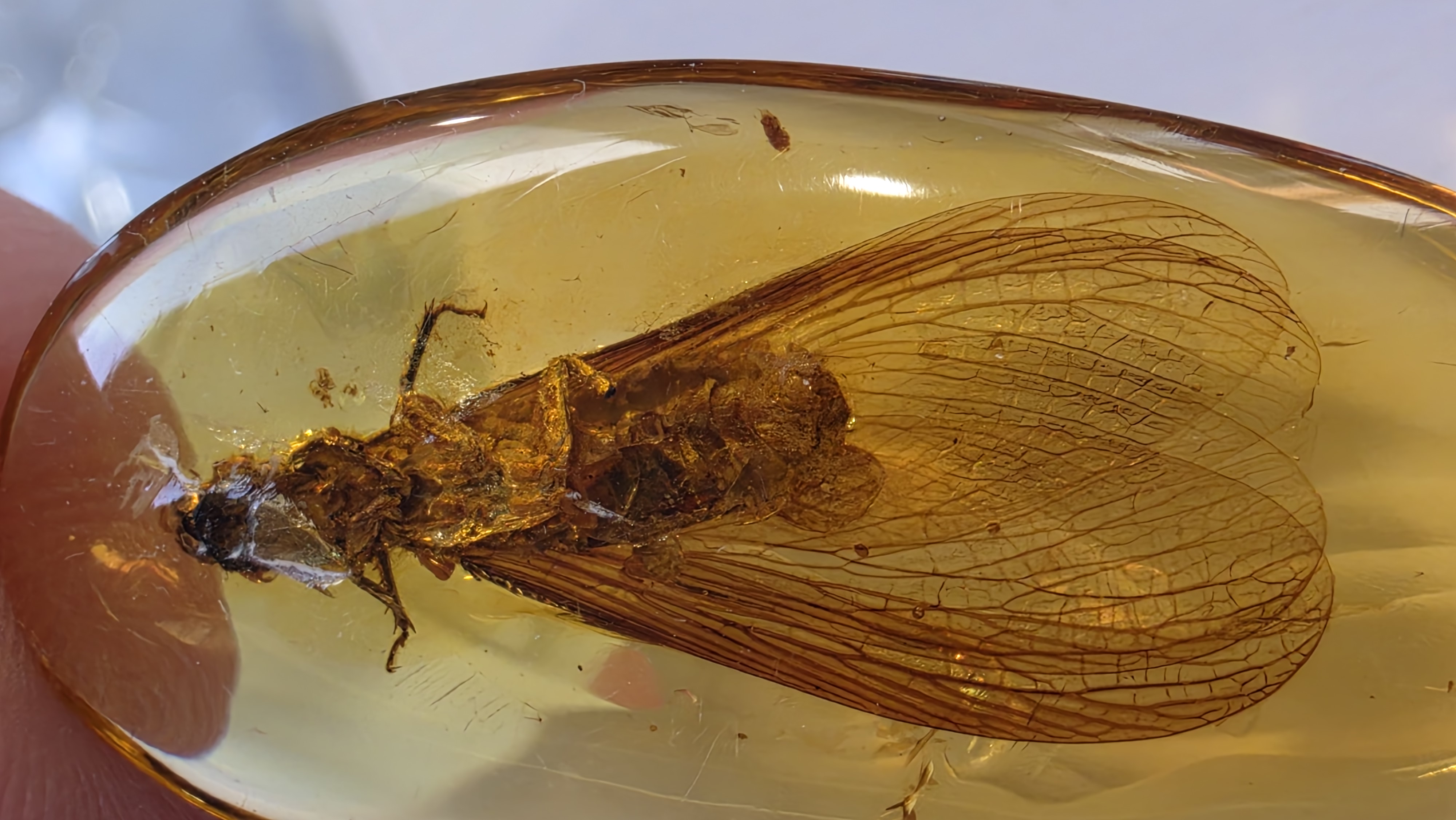
It started with one piece of amber and the irresistible urge to look closer. A creature from another world, preserved in a drop of resin, small enough to hold in your hand.
The Amber Archive is a collection and a knowledge hub for anyone who falls down the same rabbit hole. Buyers welcome. Curious lurkers equally welcome.
The story behind the archiveTHE KNOWLEDGE HUB
Become the amber nerd
at the party.
Useful guides for curious humans. No geology degree required.
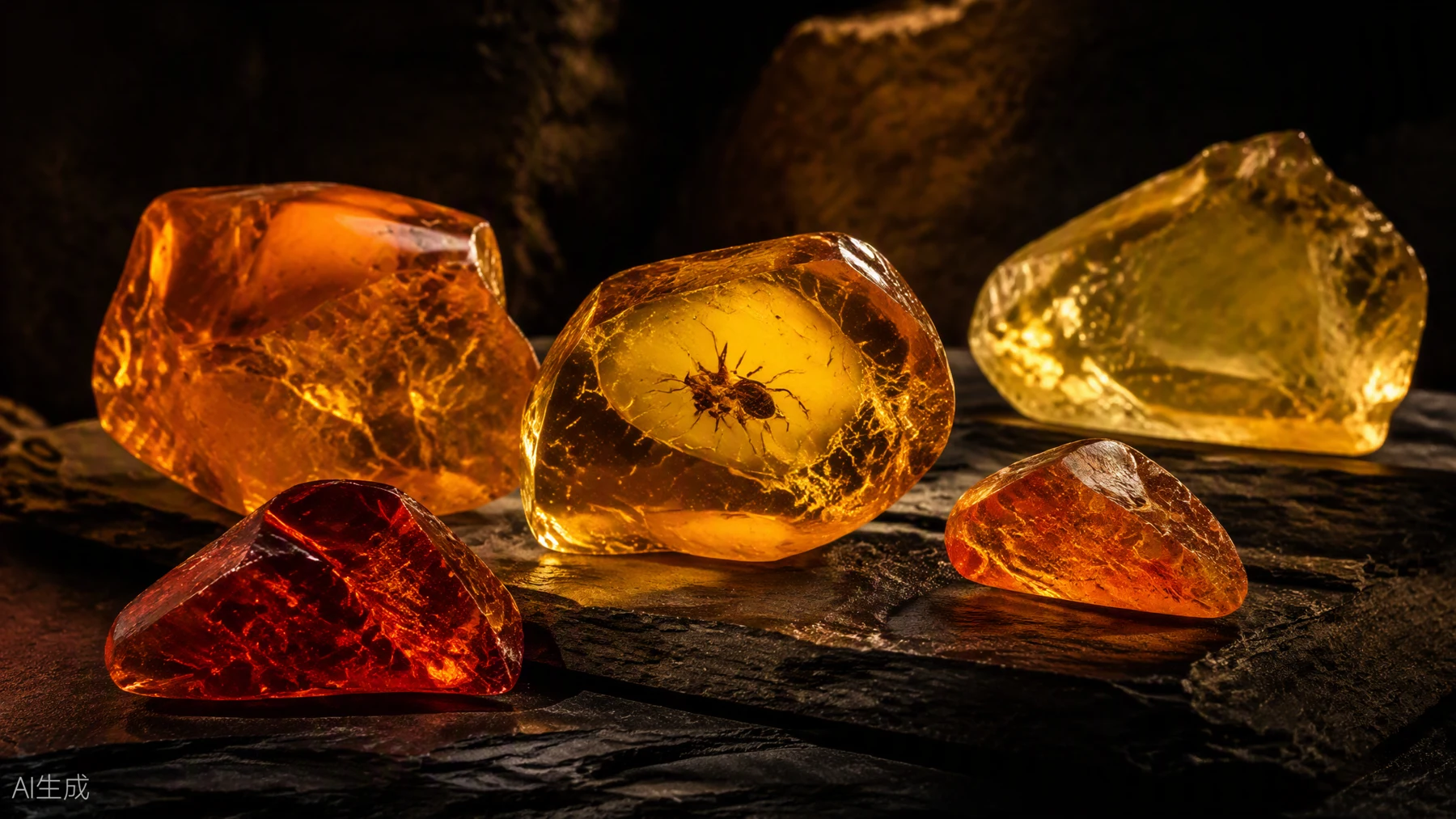
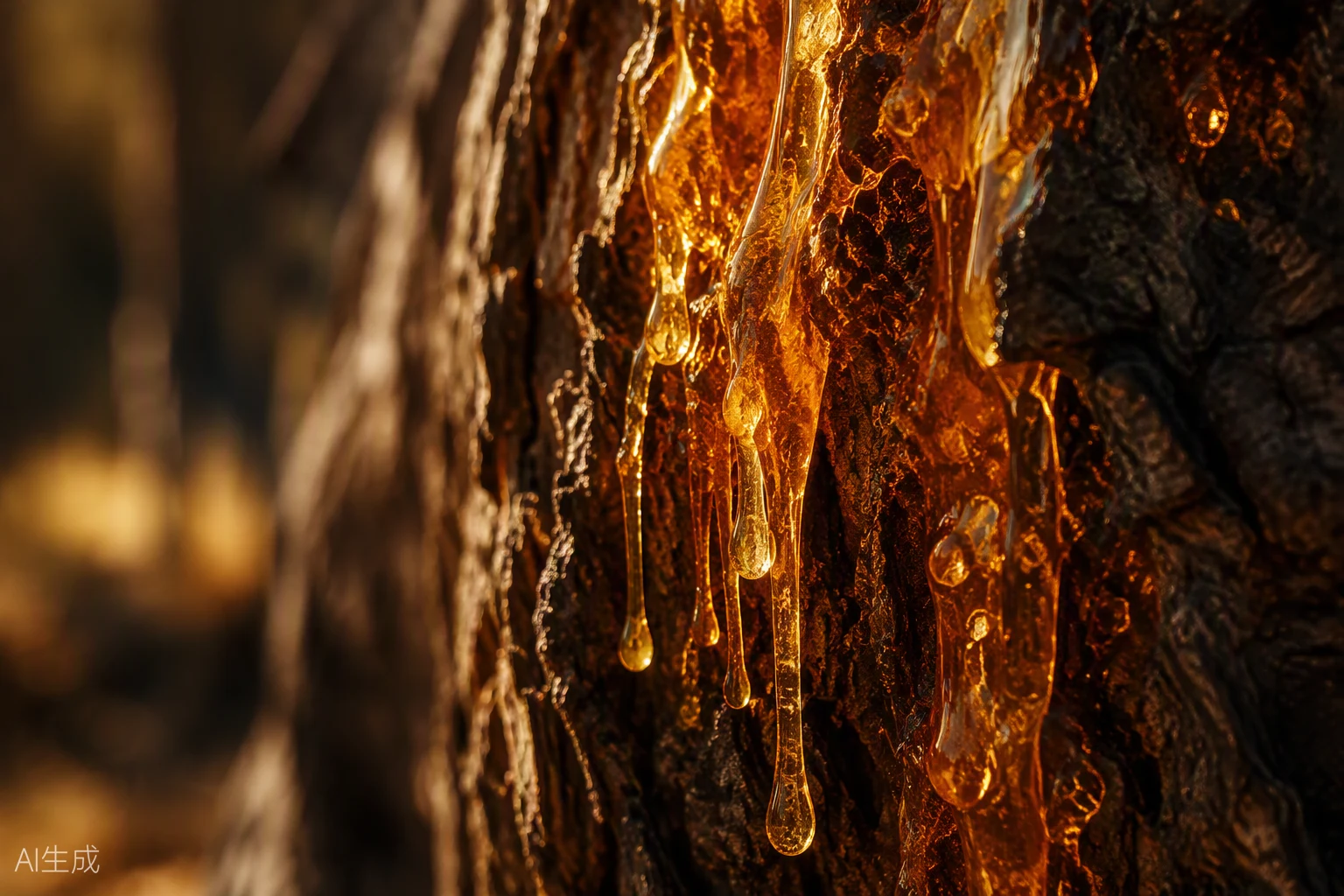
What is Burmite, exactly?
Start with the material, the place, and the remarkable world held inside.
Read the story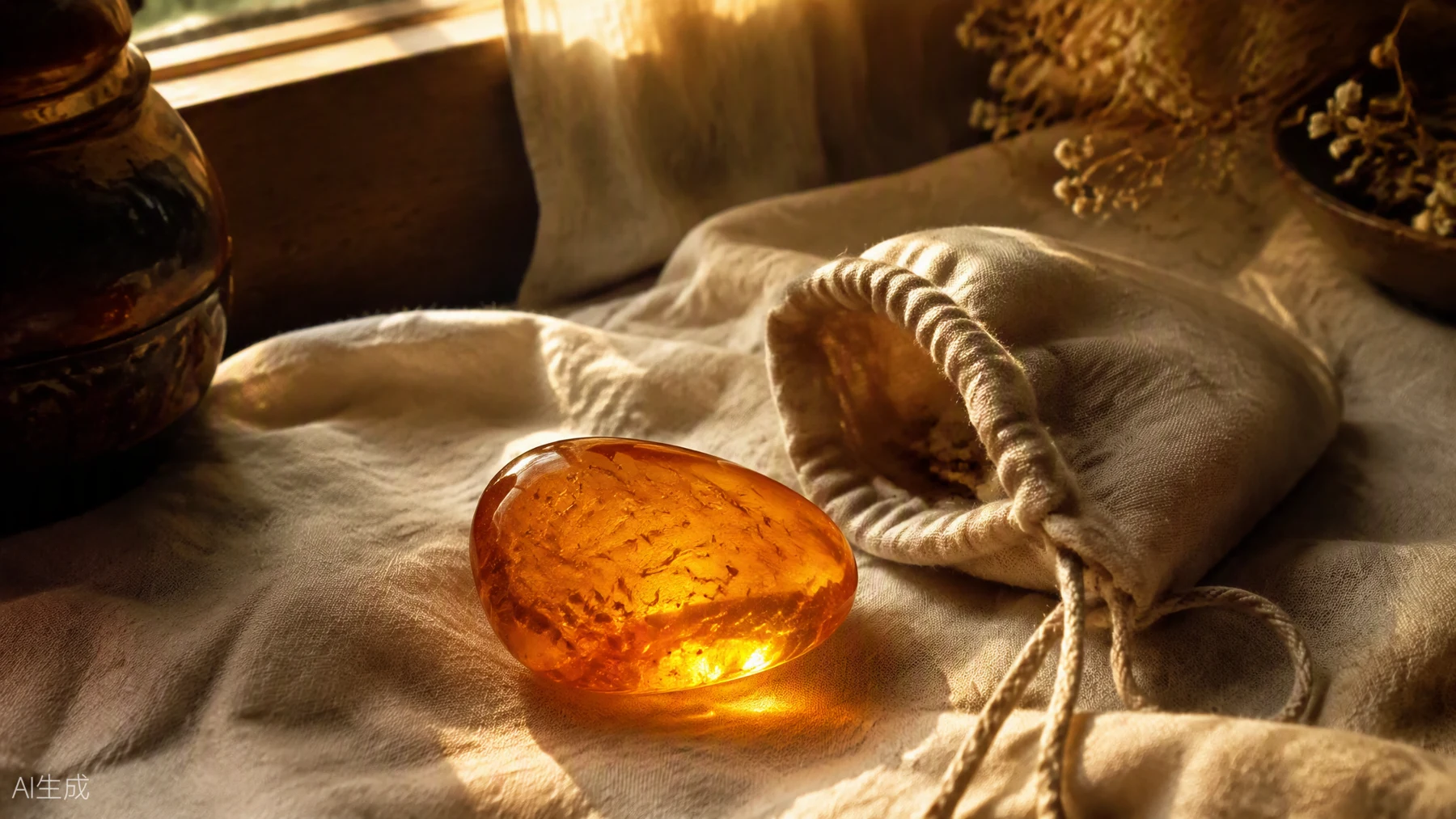
A little care for a very old treasure.
How to handle, clean, and store amber without damaging its delicate surface.
Read the story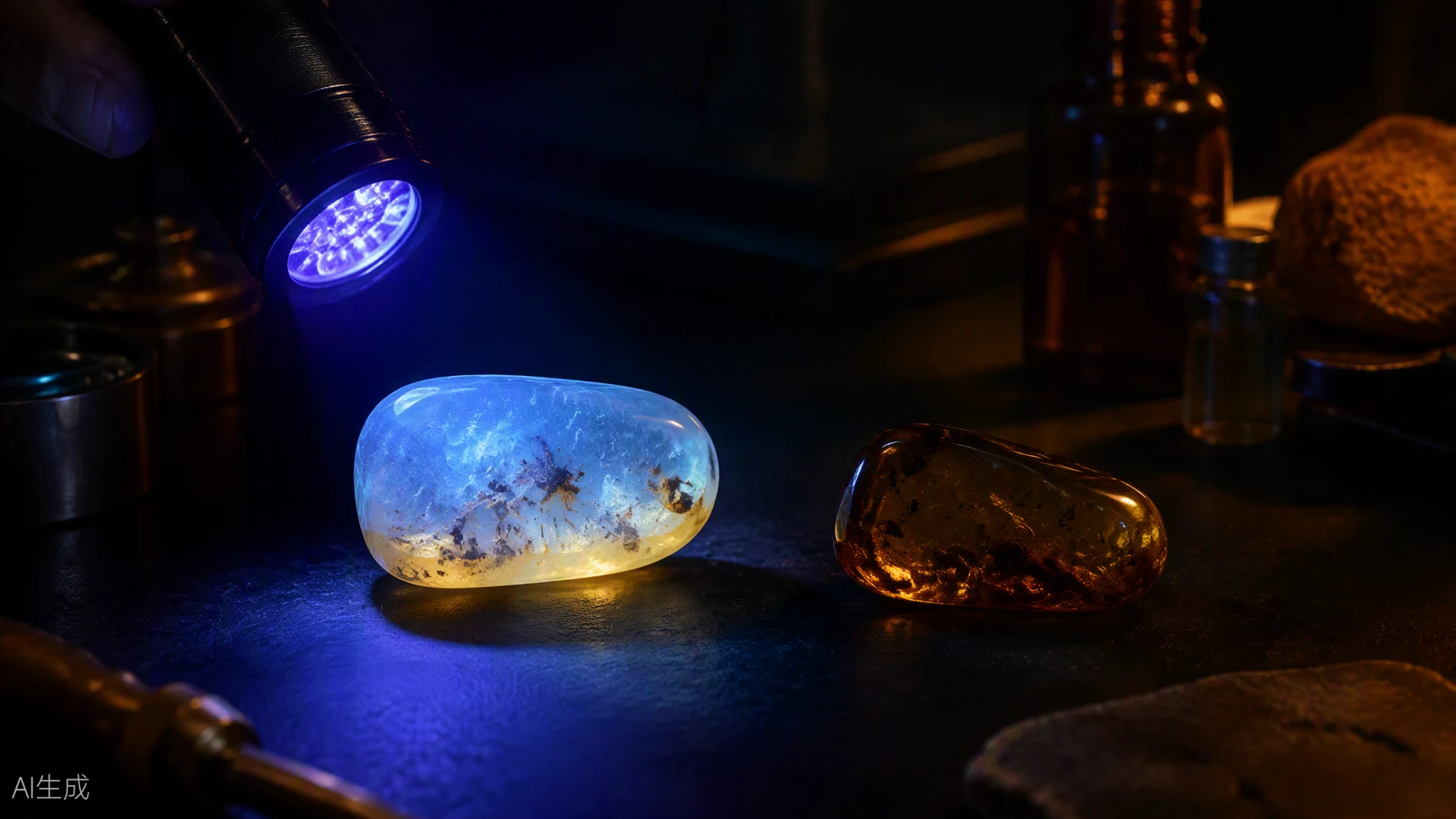
Your first specimen: what to look for.
Clarity, honest descriptions, useful photographs, and the questions worth asking.
Read the storyA JOURNEY THROUGH DEEP TIME
From a sticky drop
to a small wonder.
Travel from an ancient forest to the specimen on your shelf. Discover how resin becomes amber, and why the details inside still matter.
Start the Journey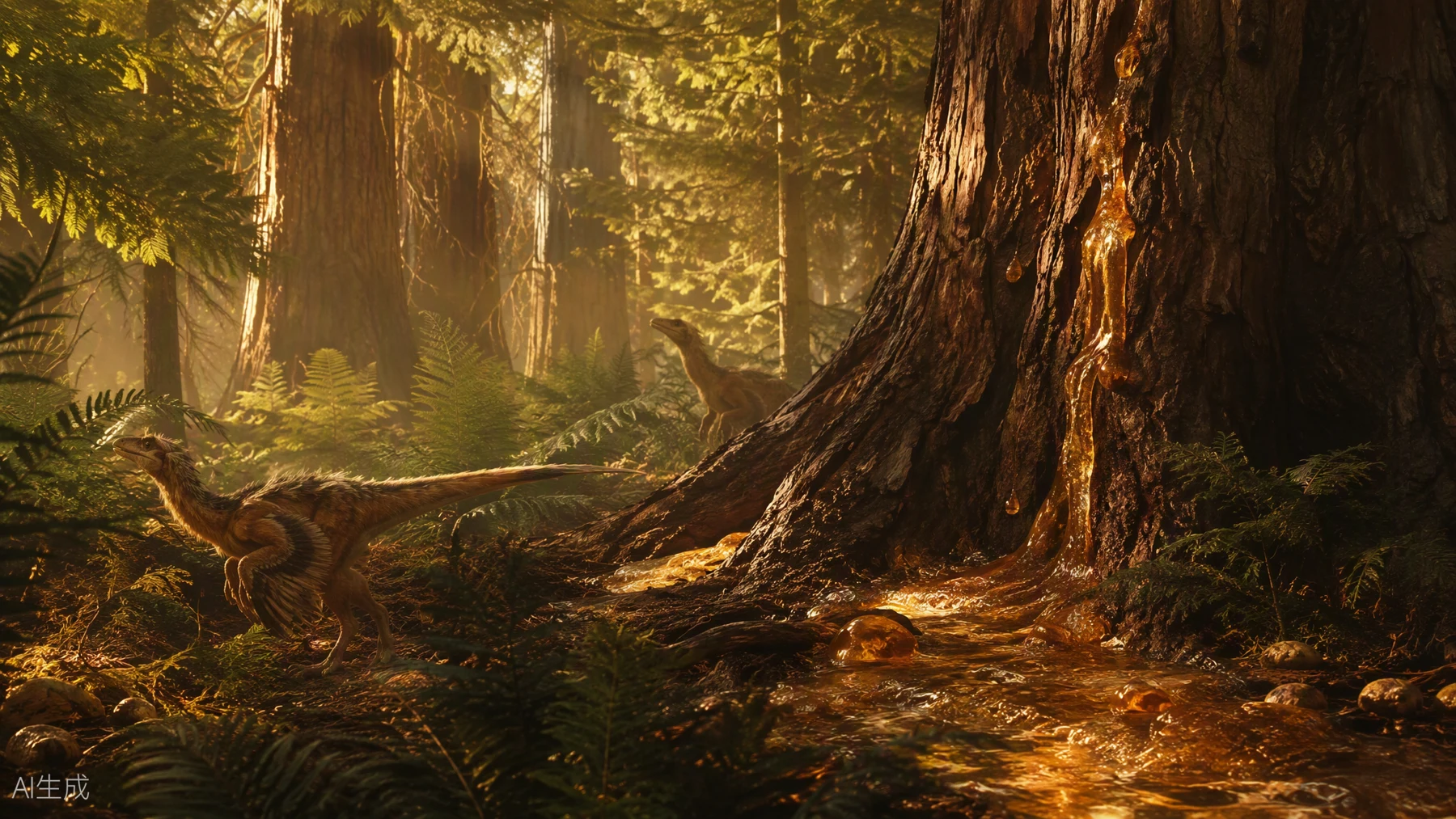
THE JOURNAL
Keep looking closer.
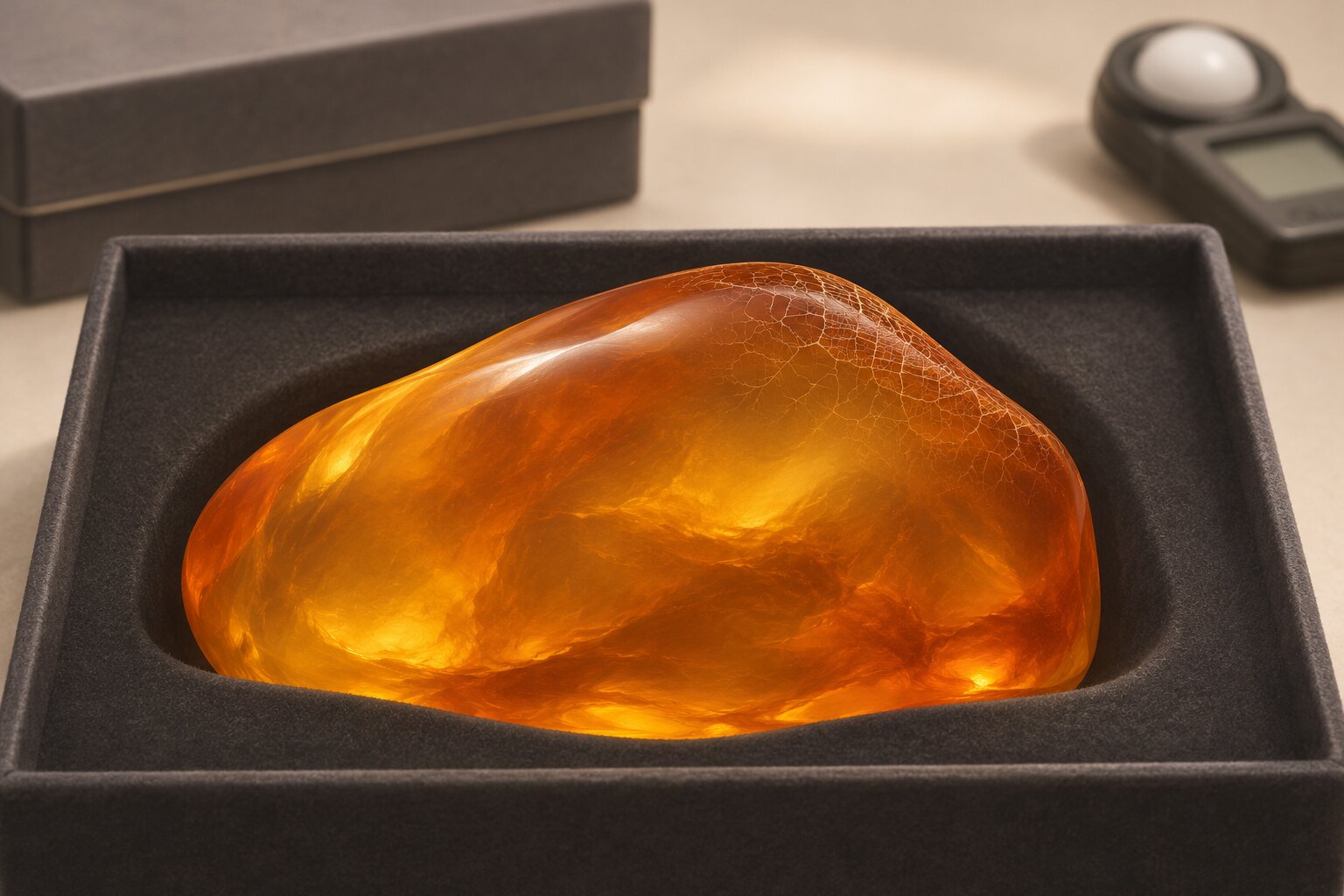
Why amber cracks: what crazing means and how to slow it
Why does amber crack? Learn what surface crazing looks like, why light and environmental changes matter, and how collectors can reduce further damage.
Read the story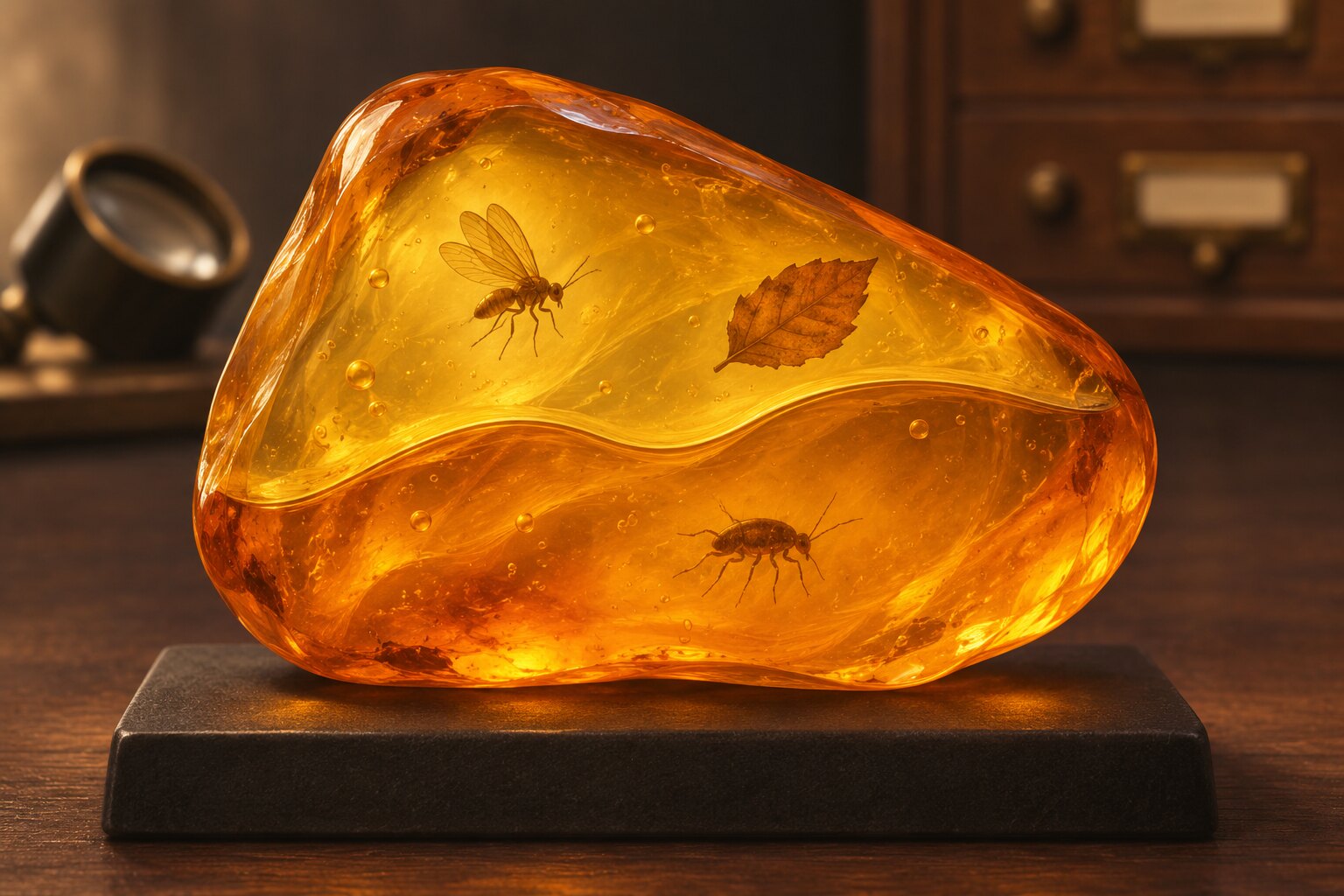
Multiple inclusions in amber: one scene or several moments?
Multiple inclusions in amber may share one resin flow—or several. Learn how layers, position, and context separate a true scene from a tempting story.
Read the story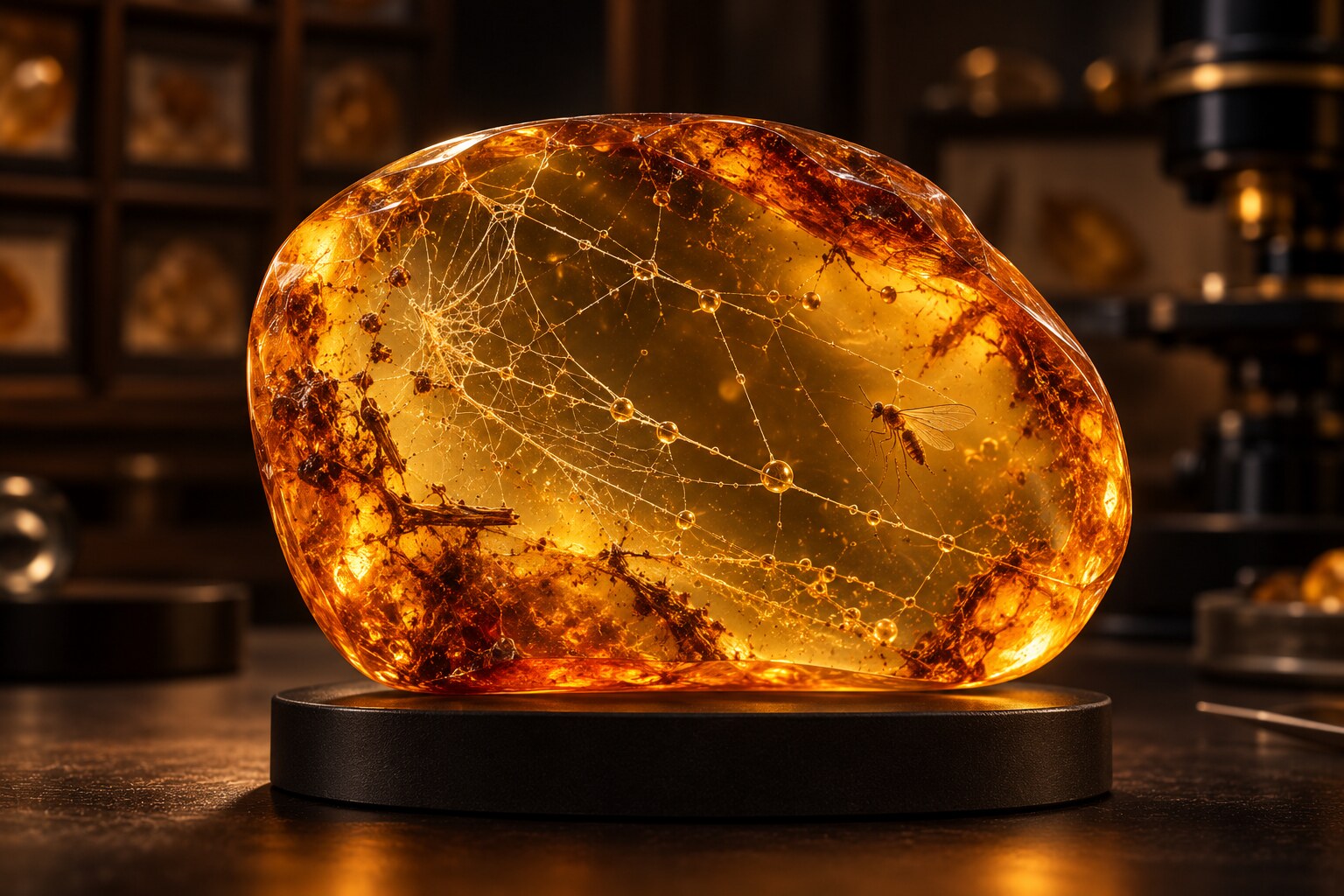
Spider webs in amber: how scientists recognize ancient silk
Ancient silk can survive in amber, but one pale filament is not automatically a web. Learn how droplets, geometry, prey, and imaging strengthen the case.
Read the story