 The Amber Archive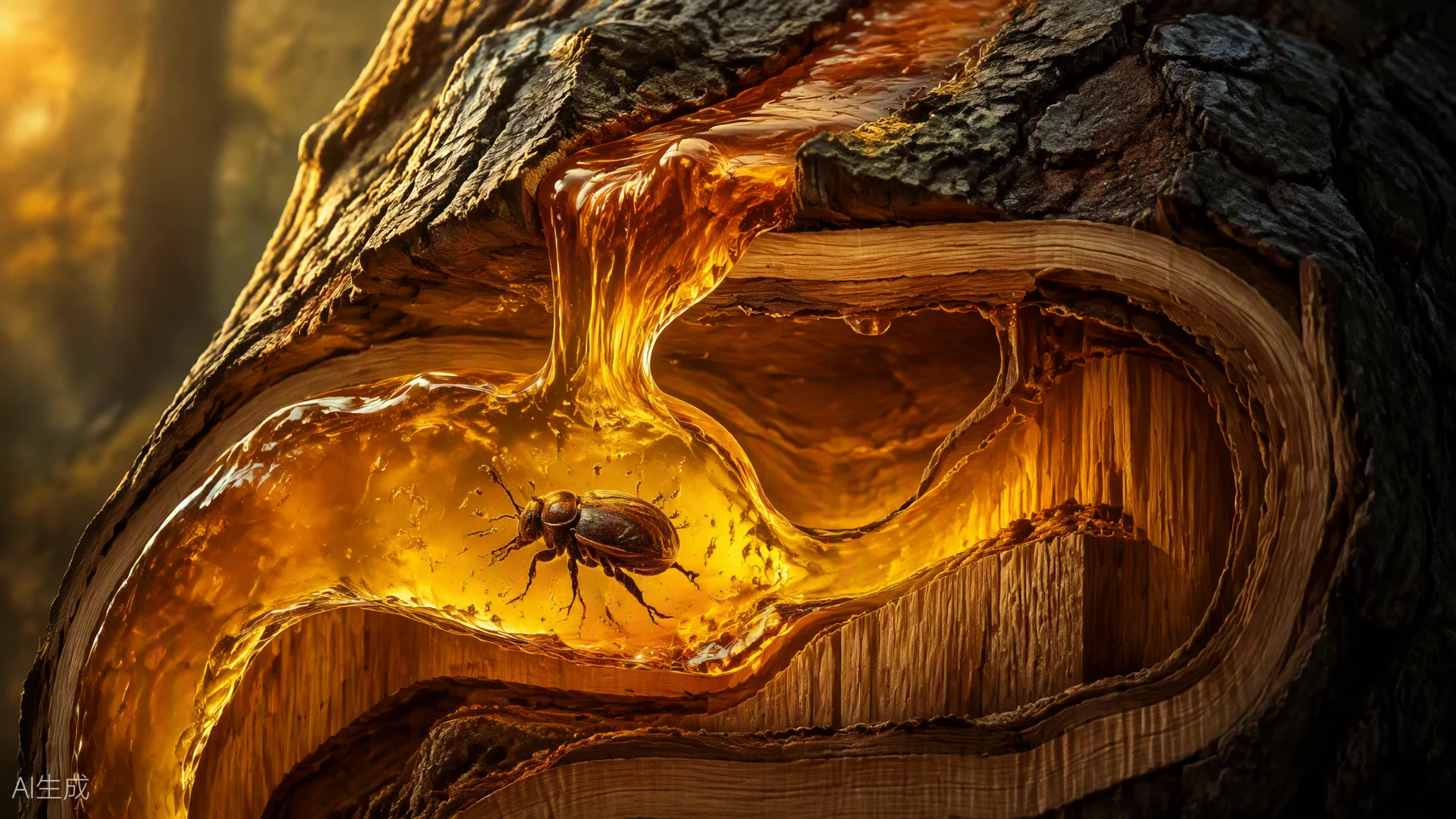
There is a moment that often starts an amber collection: you turn a small golden piece toward a light, notice a shape inside, and look again. Suddenly the thing that seemed like a decorative stone becomes something you want to understand.
It is tempting to respond by buying more pieces. Before you do, try spending a little longer with the one you already have. A collection becomes more interesting when your observations grow along with it.
Give each piece a simple identity
Assign a short catalog number and use it everywhere: on the storage label, in photograph filenames, and in your notes. Record when you acquired the specimen and copy the seller’s description exactly into a separate field. This keeps someone else’s claim distinct from your own observations.
You do not need an elaborate system. A notebook or spreadsheet with consistent fields is enough. Include the dimensions, weight if known, stated locality, and any accompanying documentation. Leave unknown fields blank rather than filling them with a plausible guess.
Photograph the whole story
Take a photograph of the complete piece before concentrating on the inclusion. Include a scale in a separate image. Then photograph the interesting feature from several angles, noting which lighting arrangement made it clearest.
Keep the original photographs. If you brighten or crop a copy, retain the unedited version too. An image that looks attractive and an image that records evidence can serve different purposes.
Write what you see before what you think
Try “six visible legs” before “beetle,” or “branching plant-like fragment” before the name of a plant. This small habit makes it easier to revisit your interpretation later. It also turns uncertainty into a useful question rather than an embarrassing mistake.
When you do add an identification, note who suggested it and why. A tentative identification is still useful when it is clearly labeled as tentative.
Find a question for the next viewing
Perhaps you want to see whether an apparent wing is really a fracture, or whether a second shape belongs to the same inclusion. Write the question down. When you return to the specimen, you will have something specific to investigate.
This is where a collection becomes more than a row of objects. Each piece holds a record of your attention: what you noticed, what changed your mind, and what you still hope to learn.
Let your next purchase follow your interests
After observing a few pieces, you may discover that you care most about clear anatomy, unusual plant material, or simply a beautiful overall form. Let those preferences guide you. There is no need to collect every category at once.
Our journal will keep returning to that same idea: look closely, ask good questions, and enjoy the discovery. If you are considering a specimen in the archive, send us the catalog number and the detail you would like to see. A useful conversation is a good place to begin.